
Comprehensive Moving Checklist: A Week-by-Week Guide
Planning a move can feel overwhelming, but breaking it into clear weekly tasks makes the process far more manageable. Use this comprehensive checklist to stay organised from the moment you decide to move until you are fully settled into your new home.
8 Weeks Before Moving
Start early to avoid last-minute stress and unexpected costs.
- Confirm your moving date and decide whether you will move on a weekday or weekend.
- Set a realistic moving budget, including packing materials, removals, insurance, and cleaning.
- Research removal companies and gather at least three quotes to compare services and pricing.
- Decide which belongings you will take, sell, donate, or dispose of; start a decluttering list for each room.
- Create a moving folder (physical or digital) to store quotes, receipts, checklists, and important documents.
- Notify your landlord (if renting) and review your tenancy agreement for notice periods and end-of-lease requirements.
- Measure large furniture and doorways to ensure everything will fit into your new home.
- Start a simple inventory of valuable items, including photos for insurance purposes.
4 Weeks Before Moving
With one month to go, focus on admin, supplies, and early packing.
- Book your chosen removal company and confirm the date, time, and scope of services in writing.
- Arrange time off work for moving day and, if needed, the day before or after.
- Order packing materials such as boxes, tape, bubble wrap, packing paper, and labels.
- Begin packing items you use infrequently, such as seasonal clothing, books, and decorative pieces.
- Label boxes clearly by room and contents to make unpacking more efficient.
- Notify key contacts of your move, including your employer, schools, and any regular service providers.
- Start the process of updating your address with banks, insurers, subscriptions, and memberships.
- Arrange storage if there will be a gap between moving out and moving in.
2 Weeks Before Moving
Two weeks out, ramp up your packing and finalise logistics.
- Confirm all details with your removal company, including access instructions and parking arrangements.
- Arrange child or pet care for moving day to keep everyone safe and reduce stress.
- Continue packing room by room, keeping similar items together and avoiding overloading boxes.
- Set aside a box or suitcase for essentials you will need during the first 24–48 hours in your new home.
- Begin using up food in your fridge, freezer, and cupboards to minimise waste.
- Arrange for disconnection and reconnection of utilities such as gas, electricity, water, and internet.
- Confirm your change of address with your local council, healthcare providers, and any professional services.
- Back up important digital files and ensure critical documents are safely stored and easy to access.
1 Week Before Moving
In the final week, concentrate on detailed preparation and cleaning.
- Finish packing non-essential items and clearly mark fragile boxes.
- Disassemble furniture that will not fit through doors or hallways in one piece, keeping screws and fittings in labelled bags.
- Prepare large appliances for the move, following manufacturer instructions for defrosting and disconnecting.
- Confirm key collection or handover arrangements for both your old and new properties.
- Set aside cleaning supplies for a final clean of your current home after everything is loaded.
- Prepare a folder with contracts, IDs, keys, and any other documents needed on moving day.
- Plan where major furniture items will go in your new home to guide your removal team.
- Check parking, lift access, and any building rules that may affect moving day.
Moving Day
Moving day is busy, but a clear plan will keep everything on track.
- Start the day early, have a simple breakfast, and keep water and snacks available.
- Protect floors and high-traffic areas with coverings where necessary.
- Walk through your home with the removal team to explain fragile or high-priority items.
- Keep important documents, valuables, medications, and essentials with you rather than in the moving van.
- Do a final walkthrough of your old property, checking cupboards, lofts, sheds, and outdoor areas.
- Take meter readings for gas, electricity, and water at both your old and new homes, and record them with dates.
- Ensure all windows and doors are locked and that keys are handed over as agreed.
- At your new home, direct the removal team so boxes and furniture are placed in the correct rooms.
After the Move
Once you have arrived, focus on safety, comfort, and gradually settling in.
- Unpack your essentials box first, including bedding, toiletries, basic kitchen items, and device chargers.
- Check that all utilities are working and report any issues immediately.
- Assemble beds and set up key living areas such as the kitchen and bathroom before tackling less urgent rooms.
- Inspect furniture and boxes for any damage and report it to your removal company promptly, if applicable.
- Update any remaining address changes, including driving licences, vehicle registration, and voter registration where relevant.
- Introduce yourself to neighbours and familiarise yourself with local amenities, such as shops, parks, and public transport.
- Create a simple unpacking plan, prioritising one room at a time to avoid feeling overwhelmed.
- Schedule a deep clean or professional cleaning service if needed, especially in high-use areas.
Moving does not have to be chaotic. With a clear plan and the right support, you can make the transition smoother, safer, and more efficient.
Ready to Make Your Move Easier?
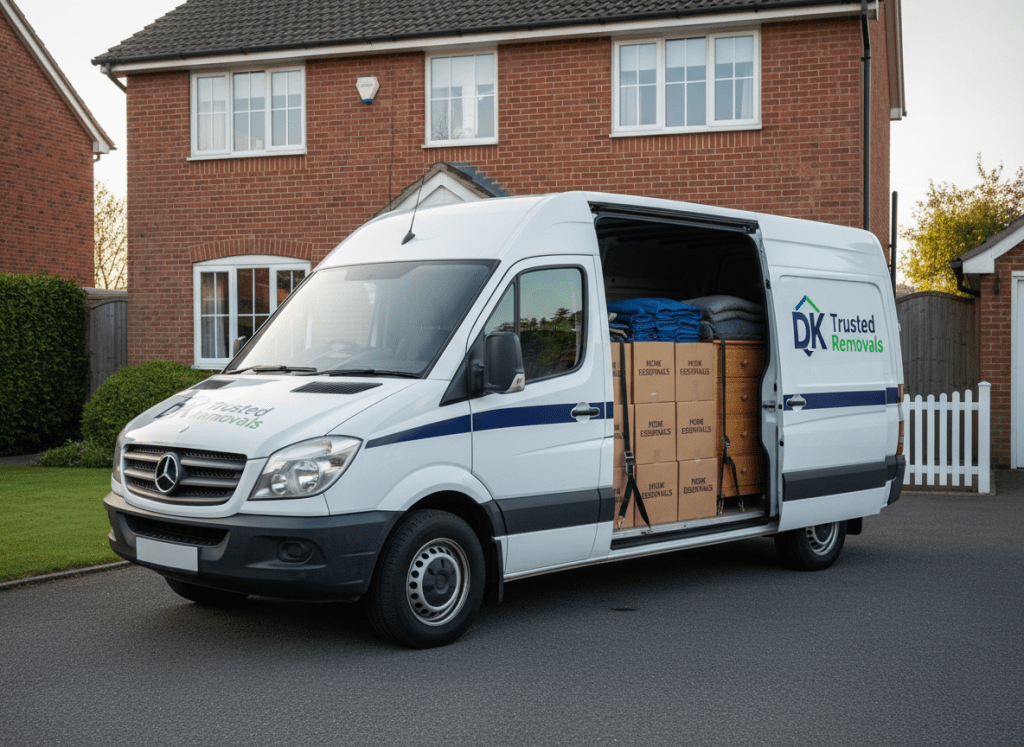
DK Trusted Removals can handle the heavy lifting while you focus on settling into your new home. Get a tailored quote and professional support for every stage of your move.
 DK Trusted Removals
Leave a comment